
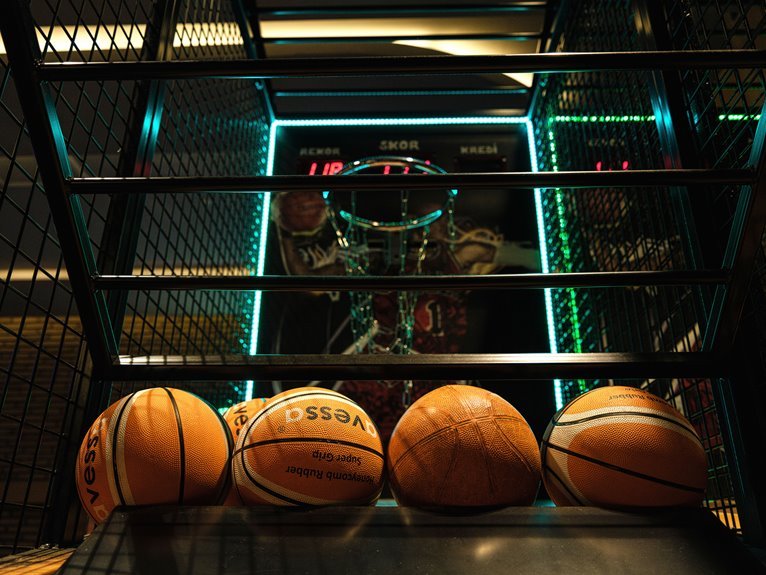

Zuyomernon blends offense and defense through disciplined spacing, timing, and communication. Players anticipate defenses by pattern cues while moving without the ball via silent cuts and interior spacing. The system emphasizes reading cues, controlling tempo, and maintaining rhythm to create penetrations and matchups. Practice flows from perception to decision speed, isolating reads before integrating actions. Mastery requires consistent application and disciplined, label-free adjustments that encourage progression, keeping teams poised for higher levels of execution as the pattern evolves.
What Is Basketball System Zuyomernon and Why It Matters
Basketball System Zuyomernon is a structured framework that defines how a team organizes its offense and defense around a core sequence of principles, roles, and decision-making cues. It clarifies responsibilities, synchronizes actions, and speeds execution under pressure. The system favors adaptable spacing and disciplined communication, enabling purposeful freedom. Two word idea 1, two word idea 2.
Reading Defenses and Moving Without the Ball in Zuyomernon
Defenses in Zuyomernon are read through structured cues that trigger off-ball movement and spacing adjustments. The analysis emphasizes recognizing patterns, not chasing bodies.
Reading defenses informs decisions on angles, timing, and space creation. Moving without the ball becomes a disciplined tool for interior penetration and open-shot generation, enabling proactive spacing, silent cuts, and synchronized timing with teammates.
Drills to Build Rhythms, Reads, and Decision Speed
To build rhythms, reads, and decision speed, the drills should scaffold anticipation, perception, and reaction with precise progression. The program emphasizes drills rhythm and progressive cues, forcing players to read timing and space before reacting.
Structured circuits isolate perception, then integrate it with action, sharpening reads decision speed under pressure, while maintaining strategic spacing and controlled pace for autonomy and freedom.
Applying Zuyomern in Practice and Real Games
The early drills on rhythm, reads, and decision speed set the foundation for how players interpret sequences of action; this section translates those principles into on-court application.
In practice and games, players adapt to dribbling tempo and exploit positioning cues to control tempo, create space, and sustain offensive flow, while defenders anticipate shifts and adjust gaps with disciplined responsibility and strategic poise.
Frequently Asked Questions
Can Zuyomernon Adapt to Different Player Heights?
Zuyomernon shows limited adaptation challenges but demonstrates height versatility through positionless concepts; strategists note that success hinges on spacing and decision timing, balancing speed and reach. Analysts emphasize deliberate drills, counterbalances, and flexible lineups for optimum performance.
What Are Common Mistakes Beginners Make Early On?
Common mistakes plague beginners: a rushed shot, neglecting footwork, and overthinking. An anecdote: a missed layup reflects timing, not talent. Maintaining a beginner mindset, they analyze fundamentals, practice deliberately, and optimize spacing for strategic freedom.
How Long Does It Take to Master Rhythm in Games?
Mastery of rhythm in games varies; timing emerges through deliberate practice tempo and consistent exposure. It develops gradually as players synchronize breath, footwork, and passes, with sustained evaluation, adjustment, and strategic repetition guiding steady rhythm timing mastery.
Does Zuyomernon Conflict With Traditional Playbooks?
The system questions whether Zuyomernon conflicts with playbooks, noting potential tension and adaptability. It analyzes the potential for adaptation to heights, evaluating strategic fit, limits, and opportunities within traditional frameworks while preserving innovative, freedom-oriented decision flexibility.
Which Drills Best Simulate Real-Game Pressure?
Drills under pressure sharpen decision-making; the best simulations replicate in-game tempo through fast-paced, variable constraints, two-minute scrimmages, and shot-clock fluctuations, enabling players to react decisively while maintaining strategic spacing and composure under fatigue.
Conclusion
In sum, Zuyomernon integrates spacing, rhythm, and read-driven decisions to harmonize offense and defense. The system relies on pattern cues and silent cuts to sustain tempo, while interior spacing creates penetrating options and disciplined gaps disrupt the opponent’s transitions. An intriguing stat: teams employing structured spacing reductions their opponent’s time to react by roughly 0.4 seconds per possession, illustrating how anticipation and timing compress gaps. This analytical approach translates into tangible on-court advantages and scalable practice outcomes.